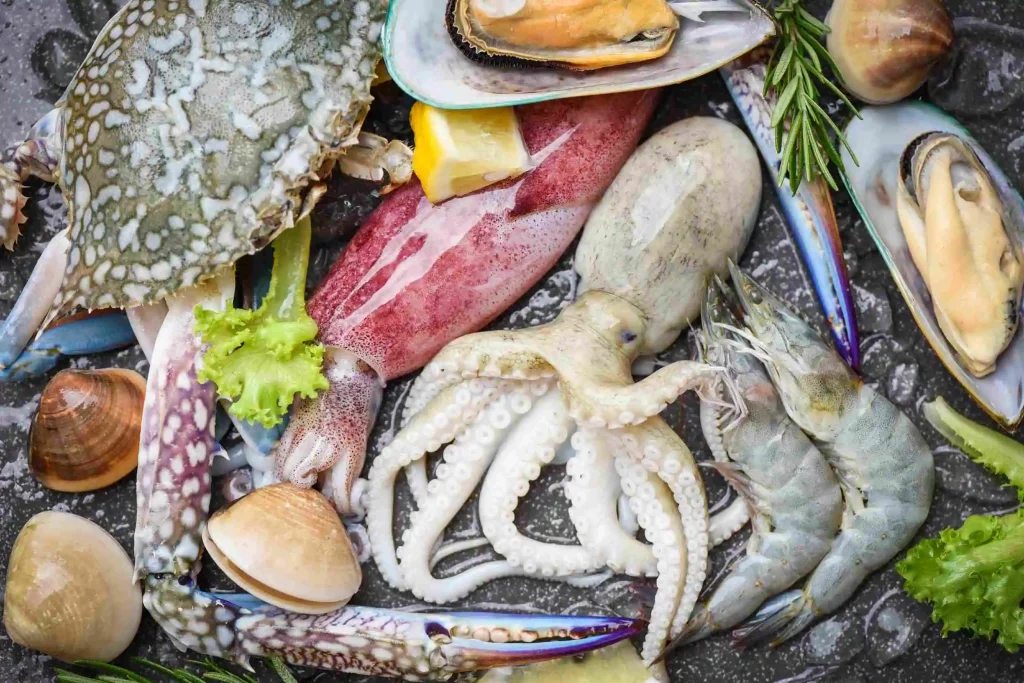
Seafood sourcing from Asia starts with a clear specification. When comparing seafood suppliers in Asia, two prices are only useful if they describe the same product. Differences in species, processing, net weight, packing or certification can change the value of an offer before freight and import costs are added.
For importers, distributors, retailers and foodservice businesses, a sourcing request may cover several product ranges: frozen fish, shrimp, squid, shellfish, canned fish or prepared seafood. Each range needs its own specification and supplier checks.
This guide explains how to build a useful comparison and what to agree before production starts.
In this guide
Define the product and the sales channel
Start with how the product will be used. A supermarket retail pack, a bulk foodservice carton and a product for further processing can require different sizes, ingredients, packing and documentation.
Give suppliers enough detail to quote the same requirement.
| Product range | Examples | Important details to confirm |
|---|---|---|
| Frozen fish | Pangasius, tilapia, tuna and mackerel | Species, whole fish or fillets, size, trimming, treatment, net weight and freezing method |
| Shrimp, squid and shellfish | Vannamei shrimp, Black Tiger shrimp, freshwater prawn, squid, cuttlefish, clams and mussels | Species, product form, count or size, raw or cooked condition, glaze and packing |
| Canned fish | Tuna, sardines, mackerel and anchovies | Fish specification, filling medium, net and drained weights, can format, shelf life and label requirements |
| Added-value seafood | Breaded shrimp, fish portions, marinated products and skewers | Seafood content, recipe, portion weight, coating, cooking instructions, allergens and packing |
For a broader view of the available ranges, explore GFA’s seafood, fish, canned fish and added-value products.
Compare seafood suppliers in Asia and confirm the producer
A supplier may be suitable for one product and less suitable for another. The comparison should identify the factory that will produce the order, its relevant capabilities and the origin of the quoted product.
Ask who handles production, quality checks, export documents and the commercial invoice. A direct factory arrangement and a sourcing or trading arrangement can allocate those responsibilities differently.
When assessing several Asian origins, use the same specification and destination requirements. Compare availability, processing capability, packing, relevant approvals and the full cost of supplying the order.
If a buyer requires a particular origin or factory approval, state that at the beginning. It can determine which offers are worth considering.
How to compare prices from seafood suppliers in Asia
Compare the cost per kilogram of deglazed seafood, not just the frozen pack price. First match the species, size, product form, treatment and packing; then calculate the price on the same weight basis and commercial terms.
Worked example: the cheaper frozen pack can cost more
The following figures are illustrative, not current supplier quotations. Assume both offers are for the same seafood specification, priced per kilogram of frozen contents, with glaze expressed as a percentage of that frozen weight.
| Comparison | Offer A | Offer B |
|---|---|---|
| Price per kg of frozen contents | $5.00 | $5.30 |
| Glaze on frozen weight | 20% | 10% |
| Seafood after deglazing | 0.80 kg | 0.90 kg |
| Cost per kg of deglazed seafood | $6.25 | $5.89 |
Calculation: frozen-weight price divided by the seafood fraction. Offer A is $5.00 ÷ 0.80; Offer B is $5.30 ÷ 0.90. Offer B costs approximately 6% less per kilogram of seafood, despite its higher frozen-weight price. This calculation does not apply unchanged when an offer is already priced per kilogram of net seafood.
Confirm the declared weight basis, deglazing method and tolerances in writing. Then add freight and other applicable costs on a consistent basis to compare landed cost.
Wholesale seafood quotations should state the product specification, price basis, currency, Incoterm, destination where relevant and validity period.
For frozen products, confirm how net weight and glaze are calculated. A pack containing 1 kg of frozen contents with 20% glaze calculated on that weight contains 800 g of seafood after deglazing. Agree the calculation and inspection method with the supplier.
For wholesale canned seafood, compare the fish specification, net weight and drained weight. For breaded products, agree whether the quoted portion weight includes the coating and what seafood content is required.
Include separately charged packing, inspection, testing, freight, insurance where applicable, duties and clearance costs in the comparison. Confirm with the destination broker which import charges apply to the exact product and origin.
Our Vietnam seafood import guide covers additional checks for buyers considering Vietnam.
Check private-label seafood and OEM requirements early
In private-label seafood or canned fish OEM programmes, a producer supplies products under the buyer’s brand and agreed specification. Packaging and development requirements need to be confirmed alongside the seafood order.
Before approving a quotation, confirm the recipe or product specification, retail pack, artwork, order quantity and required delivery period. Ask whether production samples are needed and what must be approved before manufacturing begins.
Printed packaging can have a different minimum order quantity from the seafood itself. For smaller programmes, check printing quantities, tooling charges, ownership of artwork and how unused packaging will be handled.
For prepared seafood, agree the target portion weight, seafood content, coating or marinade, permitted ingredients and preparation instructions. Confirm whether the product is raw, partially cooked or fully cooked, and what the customer must do before serving it.
These details help the supplier assess capability and give the buyer a clearer basis for sample approval.
Verify documents and agree acceptance criteria
Separate three checks when evaluating seafood suppliers in Asia: destination market eligibility, the scope of any certification, and your customer’s own factory approval. A certificate is not a substitute for all three. For certification claims, use the relevant official resources, such as Aquaculture Stewardship Council (ASC) for aquaculture or Marine Stewardship Council (MSC) for wild-caught seafood, and check the documents applicable to the actual supply chain.
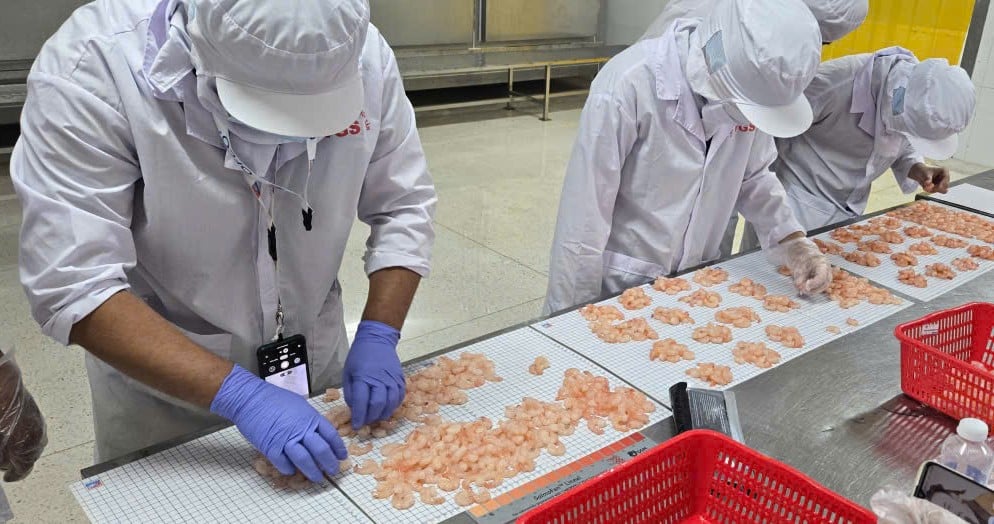
Request the current documents relevant to the actual producer and product. Check certificate scope and validity, and confirm any destination or customer approvals required for the order.
Agree the inspection scope before production. Depending on the product, checks may include size or count, deglazed weight, trimming, appearance, packing, labels and specified laboratory tests.
The order should define acceptable results and what happens if the goods fail an agreed check. Product specifications, ingredient declarations and approved artwork need to be consistent with one another.
GFA’s inspection services can form part of the sourcing process, with the scope confirmed for each order.
Plan repeat supply as well as the first shipment
For repeat programmes, discuss the required quantity, delivery frequency and lead time for product and packaging.
If continuity matters, assess whether an additional producer or origin could meet the same requirements. Any alternative needs its own specification, approval and documentation checks.
Mixed-product shipments also need a practical loading plan. Confirm whether the products can be consolidated from the relevant factories and whether their storage, handling and shipment requirements are compatible.
A realistic plan gives the buyer time to manage samples, artwork, production, inspections and shipping.
Working with Global Food Asia
Global Food Asia is a Vietnam-based food trading and sourcing company working with producers in Vietnam and selected Asian origins.
We help buyers coordinate product requirements, supplier quotations, samples, packaging, quality checks and export documentation. Our seafood range includes frozen fish and shellfish, canned fish and added-value products.
To discuss a sourcing request, send us:
- The product and required specification
- Quantity and retail or bulk packing
- Destination country and port
- Required certification or customer approvals
- Requested shipping or delivery period
Frequently asked questions about seafood suppliers in Asia
What seafood products can I source from Asia?
Seafood sourcing from Asia can cover frozen fish, shrimp, squid, cuttlefish, shellfish, canned fish and prepared seafood. Common fish enquiries include pangasius, tilapia, tuna and mackerel. The suitable origin and producer depend on the species, product form, required quantity and destination requirements.
How do I choose a reliable seafood supplier?
Identify the producer that will make your order and check its experience with your product. Review current certificates and any destination or customer approvals relevant to that factory, then agree the specification, sample approval and inspection criteria. A low price is only useful when the quoted product and agreed checks meet your requirements.
Can GFA help with private-label seafood and canned fish?
Global Food Asia helps coordinate private-label seafood sourcing with suitable producers, including canned fish and prepared seafood. Confirm the product or recipe, pack format, artwork and sample approval before production. Packaging quantities, development requirements and lead times must be checked for each enquiry.
What is the minimum order quantity for wholesale seafood?
There is no single minimum order quantity for all wholesale seafood. It depends on the product, producer, packing and production requirements. Custom-printed packaging may require a larger quantity than the seafood itself, so confirm both minimums before comparing offers.
How should I compare frozen seafood prices?
Compare the same species, product form, size or count, treatment, packing and commercial terms. For glazed products, agree the deglazed seafood weight and how the glaze percentage is calculated. Comparing the cost per kilogram of actual seafood gives a clearer picture than comparing frozen pack weights alone.
Can different seafood products be shipped in the same container?
A mixed seafood shipment may be possible when the products have compatible storage temperatures and handling requirements. It also depends on factory locations, quantities and the consolidation plan. Confirm the loading arrangements and documentation before committing to a mixed order.
What information should I send for a seafood quotation?
Send the species and product form, size or count, required weight or glaze basis, quantity and packing. Include the destination country and port, required certifications or customer approvals, and the requested shipping or delivery period. For private-label enquiries, add the pack format and any recipe or artwork requirements.
Send us your seafood sourcing inquiry
Tell us the product, specification, quantity, packing and destination you need. Include any certification requirements and your target delivery period so we can assess your request with suitable producers.